
Introduction
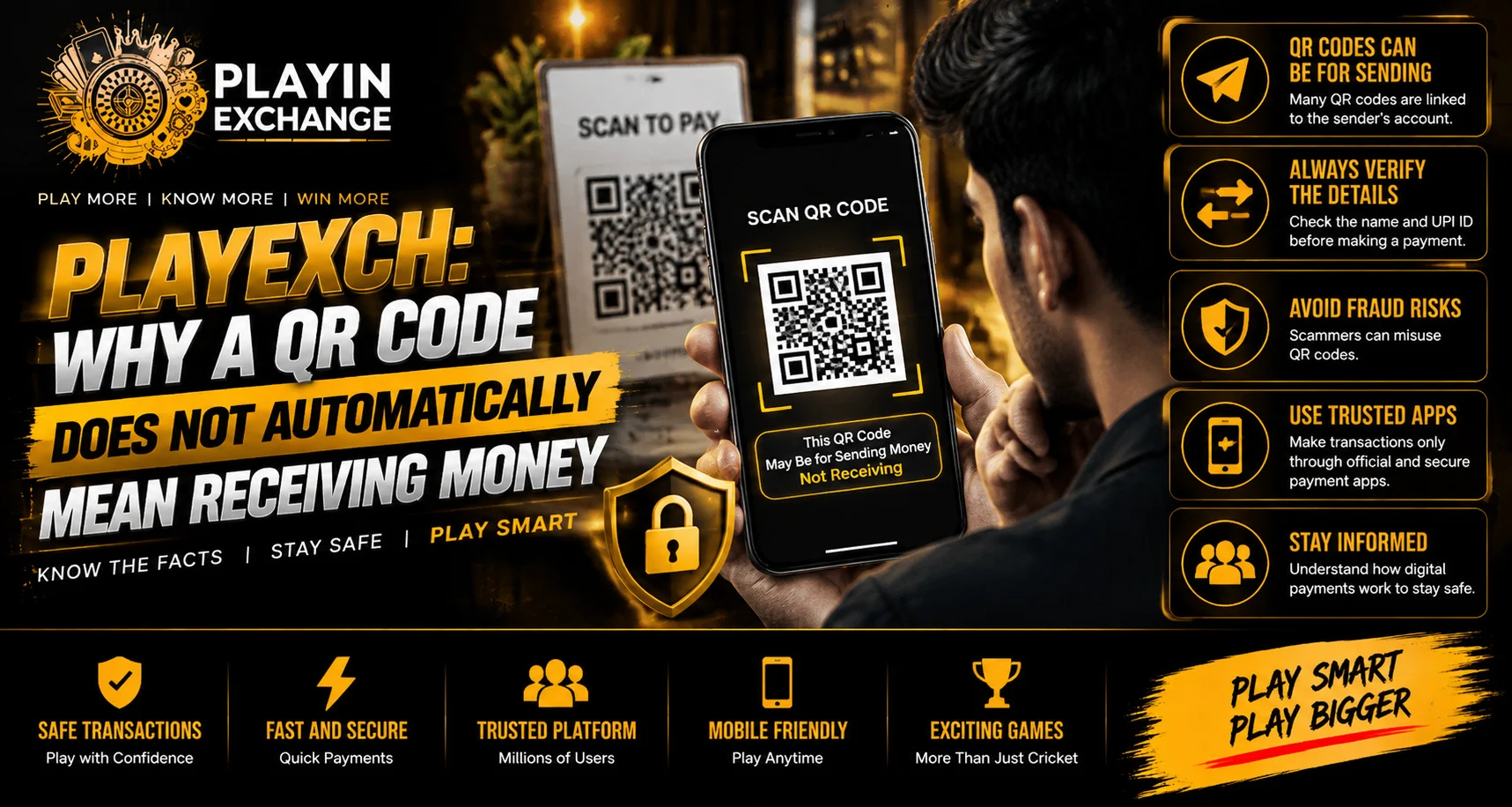
Digital payments have made transactions faster and more convenient, with QR codes becoming a common method for sending and receiving money. However, many users misunderstand how QR codes work and assume that every QR code interaction means they will receive funds. In reality, QR codes can perform different actions depending on their purpose and payment setup. Playexch focuses on digital awareness topics where understanding online processes, account safety, and payment methods helps users make better decisions. Learning the difference between receiving money and approving a payment is important for avoiding mistakes during online transactions.
Understanding What a QR Code Actually Does
A QR code is simply a way of storing information that can be quickly scanned by a smartphone. In payment systems, it may contain details connected to a merchant account, payment request, website, or other digital information.
A QR code itself does not decide whether money is received or sent. The action depends on:
- The payment application being used
- The information stored in the QR code
- The user’s confirmation step
- The purpose of the transaction
This means scanning a QR code does not automatically add money to an account.
Receiving Money vs Making a Payment
One of the most common misunderstandings is confusing receiving payments with making payments.
When someone wants to receive money, they usually share their payment details so another person can send funds. In many digital payment systems, the receiver does not need to scan a QR code to collect money.
On the other hand, scanning a payment QR code is often connected with making a payment from the user’s account.
Users should remember:
- Scanning a QR code may open a payment option
- Entering a PIN usually confirms a payment
- Approval steps should be checked carefully
- Receiving money should not require unnecessary payment approval
Banks have warned users that scammers may ask people to scan QR codes or approve requests while falsely claiming they will receive money.
Why Scammers Use QR Codes
QR codes are convenient, but scammers can misuse them to create misleading situations. Fake QR codes may redirect users to harmful websites, payment requests, or fraudulent pages designed to collect sensitive information. These scams are often known as QR phishing or “quishing.”
Common scam methods include:
- Sending fake refund messages
- Offering fake rewards or prizes
- Asking users to scan codes for verification
- Creating fake payment requests
Users should always verify the source before scanning unknown QR codes.
Common QR Code Payment Mistakes
Many digital payment mistakes happen because users trust the QR code without checking the details.
Common errors include:
- Scanning unknown QR codes from messages
- Approving requests without reading details
- Sharing payment screenshots with strangers
- Entering PIN information after suspicious instructions
A QR code should always be treated as a payment tool that requires careful attention, not as a guaranteed method for receiving funds.
How to Stay Safe While Using QR Codes
Following basic security practices can reduce the risk of payment-related problems.
Important safety steps include:
- Scan only trusted QR codes
- Check the payment receiver details before confirming
- Never share your UPI PIN or security credentials
- Avoid clicking unknown links opened through QR scans
- Keep payment applications updated
Cybersecurity experts recommend treating QR codes with the same caution as unknown links because they can redirect users to unsafe websites.
QR Codes and Online Account Security
Digital safety is not only about protecting money but also about securing personal information. A suspicious QR code may attempt to collect login details, personal data, or access permissions.
Users managing online accounts should focus on:
- Strong passwords
- Device security
- Safe payment habits
- Regular account monitoring
For users accessing platforms through Playexchange Login, maintaining secure digital habits helps reduce unnecessary risks during online activities.
Why Understanding Payment Flow Matters
Knowing how digital payments work helps users identify unusual requests. A genuine payment process should always be clear about whether money is being sent, received, or requested.
Before confirming any transaction, users should check:
- Recipient details
- Payment amount
- Transaction purpose
- App notifications
A few seconds of verification can prevent unwanted financial mistakes.
The Importance of Digital Payment Awareness
As online transactions continue growing, understanding payment technology becomes increasingly important. QR codes provide convenience, but users must understand their function before taking action.
Responsible digital habits include:
- Learning payment features
- Avoiding rushed decisions
- Checking transaction information
- Staying aware of common scams
Conclusion
A QR code does not automatically mean that money will be received. It is only a tool that transfers information, and the final action depends on the payment system and user confirmation. Understanding how QR codes work helps users avoid confusion and stay safer during digital transactions. By following simple security practices, users can enjoy the convenience of online payments while reducing unnecessary risks.
FAQs
1. Does scanning a QR code always mean receiving money?
No, scanning a QR code does not automatically mean receiving money. It may also start a payment process or open other information.
2. Can someone send money by asking me to scan a QR code?
Users should be careful because scammers often misuse QR codes by claiming they will send money after scanning or approval.
3. Should I enter my PIN after scanning a QR code?
Only enter your PIN when you are intentionally making a payment and have verified the transaction details.
4. Why do scammers use QR codes?
Scammers use QR codes because they can quickly direct users to fake pages, payment requests, or misleading instructions.
5. How can I safely use QR codes?
Use QR codes only from trusted sources, verify payment details, and avoid sharing sensitive information.
6. Can a QR code steal account information?
A QR code itself does not directly steal information, but malicious QR codes can redirect users to unsafe websites designed to collect personal details.


